
World wide shipping Over 2,000 items for swimming, swimrun, triathlon, cycling, running etc. since 1991
Follow Wolffwear’s new Facebook page and don’t miss invitations, tests, events, competitions, trips and more.

Wetsuit guide
How to choose the right wetsuit
Here are some important factors to consider when choosing a wetsuit:
Choose a wetsuit that is suitable for the temperature you will be in. The colder the water, the thicker the suit needed.
| Water temperature | Tropical water | Thickness of wetsuit |
|---|---|---|
| Above 25°C | Tropical water | Rashguard or swimwear |
| 20-25°C | Warm water | 1-2mm Tex Shorty or sleeveless |
| 15-20°C | Cool water | 3-4mm "Standard swimsuit" |
| 10-15°C | Cold water | 5mm Thermal suit, nenopen hood |
| 3-10°C | Ice cold water | 6+ mm Thermal suit, balaclava, gloves, socks, vest |
It is important that the wetsuit fits well to provide good freedom of movement and thermal insulation. Consider size and body shape. Width across the chest, shoulder blades and shoulders is crucial as mobility is important in that area.
Choose a wetsuit that is suitable for the activity you will be doing, such as swimming, swimrun, triathlon or other water sports. Do you swim crawl or breaststroke?


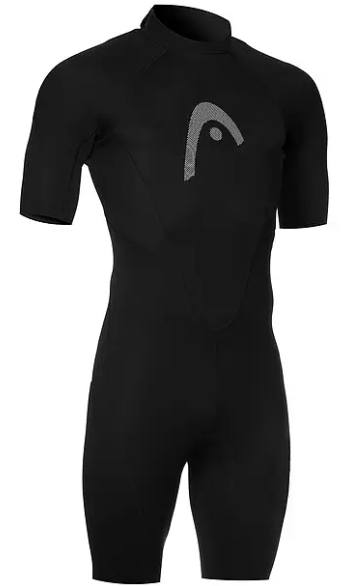
Most wetsuits are made of neoprene which has two functions, to keep you warm and provide buoyancy. "Glideskin" neoprene with a shiny surface provides the best mobility and glide. Nylon-coated neoprene provides a more durable surface and often more color and visibility with slightly less mobility.
There are various features to consider, such as zippers, arm length, leg length, pockets, etc. Choose according to comfort and functionality.
What separates a wetsuit in the higher price ranges from the lower ones is the quality. A more expensive wetsuit often fits better and slightly tighter around the body, has better seams and varying thickness of the material for better buoyancy and higher mobility / flexibility.
Do you need personal assistance?
If you're not sure which wetsuit is best for you, fill out the form below and we'll be happy to help!